

Pakistan and Saudi Arabia Advance Talks on Downstream Industrial Projects
KARACHI: Pakistan and Saudi Arabia are exploring new avenues of economic cooperation, focusing on downstream industrial development and petrochemical projects to strengthen bilateral trade and industrial capacity.
A high-level meeting between representatives of the Karachi Chamber of Commerce and Industry (KCCI) and a Saudi business delegation led by Prince Mansour bin Mohammed Al Saud, Chairman of the Saudi-Pakistan Joint Business Council, underscored both nations’ commitment to expanding industrial linkages and investment partnerships.
Strengthening Economic Cooperation
The discussion centered on expanding collaboration in petrochemicals, plastics, industrial chemicals, packaging, and other downstream sectors. Pakistani officials highlighted the importance of establishing a naphtha cracker facility—a key component for producing chemical feedstocks critical to various industries.
KCCI representatives noted that such a facility could significantly reduce Pakistan’s dependence on imported polymers, enhance industrial self-reliance, and open new opportunities for local manufacturing and export-oriented growth.
Opportunities for Value-Added Growth
Experts believe that large-scale investment in downstream industries could reshape Pakistan’s economic landscape. The move would allow the country to produce high-value finished goods, strengthen its manufacturing base, and generate thousands of new jobs.
Additionally, increased foreign direct investment (FDI) from Saudi Arabia could introduce advanced technologies, enhance industrial productivity, and create long-term business partnerships. The proposed projects align with both nations’ broader goals of sustainable development and economic diversification.
Challenges and Key Considerations
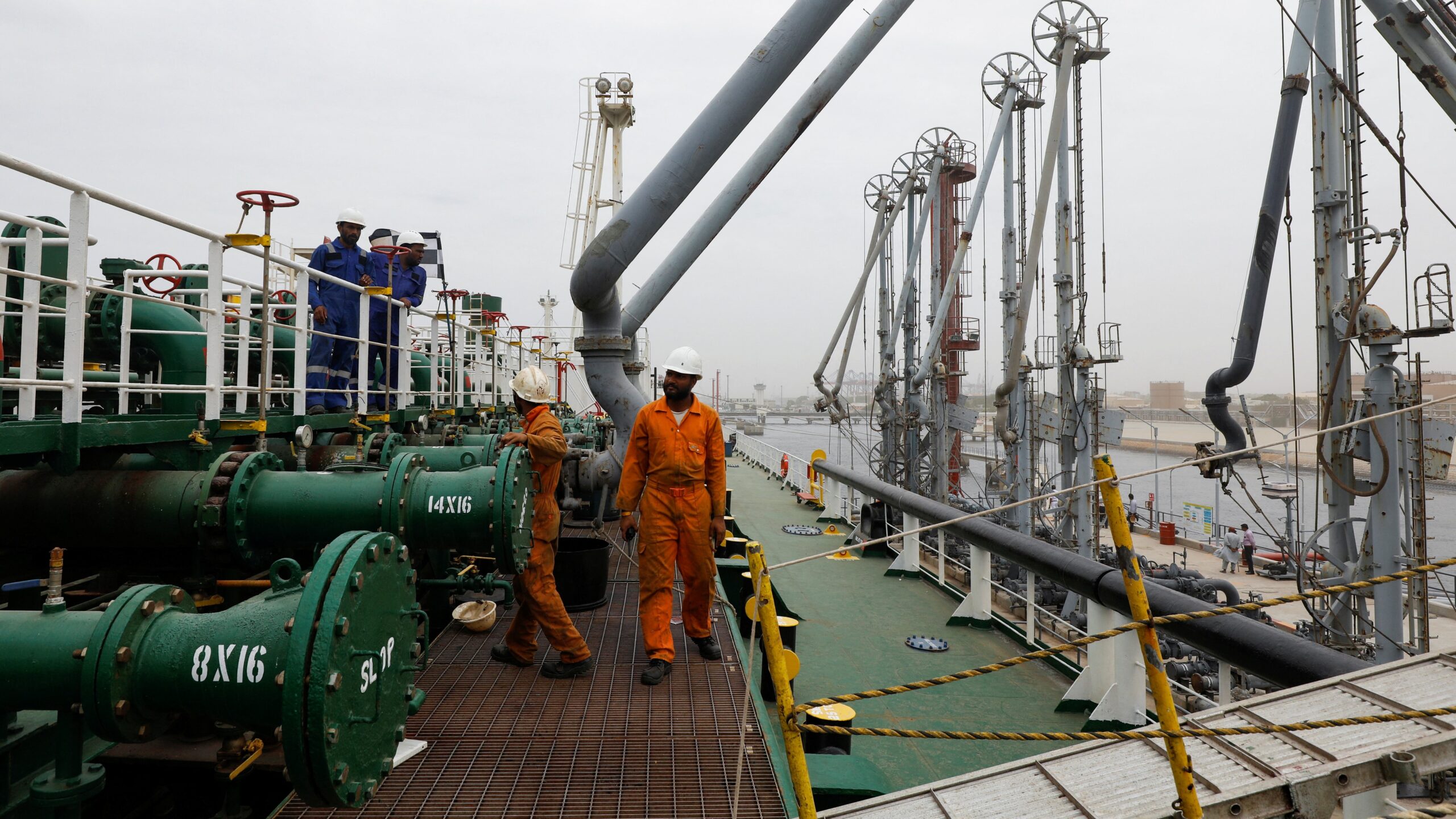
Despite the optimism, industry stakeholders emphasized the need for careful planning and feasibility studies. Setting up a petrochemical complex, particularly a naphtha cracker, requires substantial capital investment, feedstock availability, and logistical infrastructure such as port facilities and energy supply.
To attract large investors, the Pakistani government is also expected to offer fiscal incentives, regulatory support, and policy stability, ensuring a secure environment for long-term industrial investment.
Expanding Cooperation Beyond Petrochemicals
While petrochemicals remain the focal point, both countries also explored collaboration in other high-potential sectors. These include textiles, agriculture and food processing, and information technology.
Discussions also touched on academic and technical partnerships to develop a skilled workforce capable of supporting industrial modernization. Joint ventures and technology transfer agreements were highlighted as critical tools for driving sustainable progress.
Outlook: A Strategic Economic Partnership
The growing partnership between Pakistan and Saudi Arabia represents a shared vision of industrial and economic advancement. By focusing on downstream projects, both nations aim to achieve mutual growth, reduce import dependency, and create new regional investment opportunities.
If implemented effectively, these projects could serve as a cornerstone of Pakistan’s industrial transformation—fueling export competitiveness, strengthening local supply chains, and deepening Saudi-Pakistan economic ties for decades to come.