


Pakistan Eyes Doubling Workforce Export to Saudi Arabia After Major Defense Agreement
Surge in Manpower Exports & Remittances
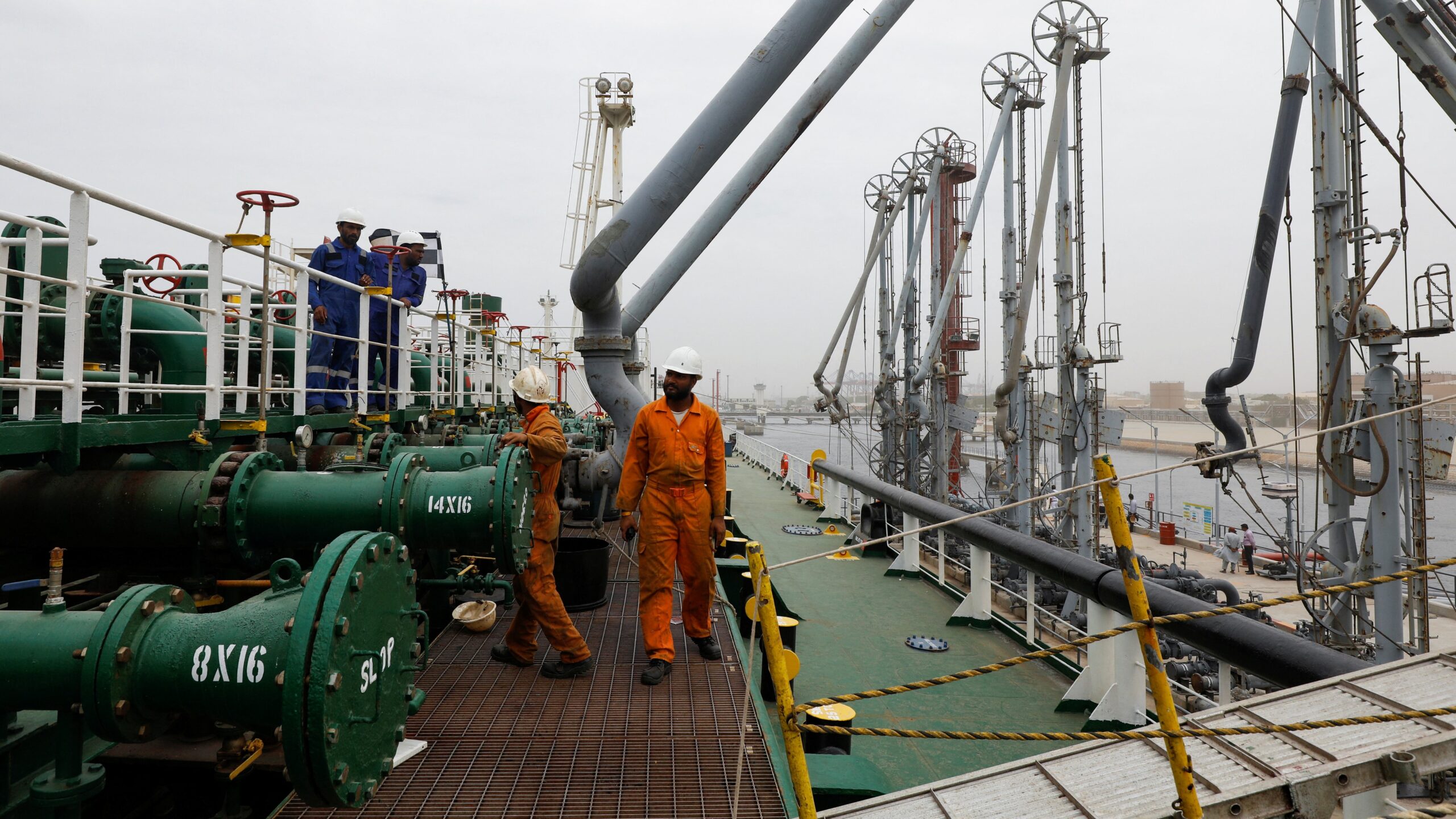
Pakistan is poised to double its manpower exports to Saudi Arabia, following the signing of a landmark defense treaty between the two nations. Government sources revealed that between 2020 and 2024, Pakistan dispatched 1.88 million workers to Saudi Arabia — a 21% rise compared to 1.56 million in the 2015–2019 period.
This increased migration is mirrored in remittance trends: funds from Saudi Arabia climbed from $7.39 billion in 2020 to $8.59 billion in 2024. Meanwhile, inflows from the UAE fluctuated between $5.8 billion and $6.8 billion during the same span, and transfers from Qatar remained under $1 billion annually.
Defense Pact as a Catalyst for Labor Expansion
The recently ratified Saudi-Pakistan defense agreement is expected to deepen military and strategic cooperation — and also accelerate economic ties. Officials indicate that the pact has emboldened Saudi employers’ confidence in Pakistani workers, especially in sectors like healthcare, logistics, and technical services.
Gul Akbar, a senior official at the Bureau of Emigration & Overseas Employment (BEOE), emphasized that with the defense deal in place, Pakistan aims to raise its annual manpower export rate from around 500,000 to one million workers.
To support this ambitious goal, Pakistan’s Special Investment Facilitation Council (SIFC) is collaborating with the BEOE. Together, they will present proposals to Saudi counterparts focusing on skill development, e-visa systems for laborers, and joint technical training institutions.
Regional Trends & Shifting Labor Dynamics
While Saudi Arabia remains the top destination for Pakistani workers, the UAE has seen a sharp decline — manpower exports there dropped by 65%, from 1.32 million to 463,000 between 2020–2024. In contrast, demand from Qatar rose, with worker intake increasing from 74,000 to 170,000 over the same period.
To meet Saudi Arabia’s evolving labor needs, Pakistan is stepping up its skill certification efforts. The National Vocational and Technical Training Commission (NAVTTC), in coordination with Takamol — a Pakistani skills verification program — is working to certify workers across 62 vocational categories.
Remittances & Economic Impact
Remittances from overseas Pakistanis remain a vital pillar of the country’s economy. In the past fiscal year alone, Pakistan received $38.3 billion in remittances — an $8 billion increase over the prior year, outpacing the $7 billion IMF program targeting.
These inflows help stabilize the foreign exchange reserves, support household consumption, and manage the current-account deficit.
Private Sector and Tech Startups on the Rise
2025 has also been a breakthrough year for Pakistan’s private sector and emerging tech and AI startups. With easier access to funding and digitalization incentives, entrepreneurs are creating innovative solutions in fintech, e-commerce, and artificial intelligence.
These developments reflect Pakistan’s growing ambition to become a regional tech hub, supported by a young, skilled workforce and government-backed innovation programs.
Conclusion
Pakistan’s economic landscape in 2025 is marked by resilience, reform, and renewed investor confidence. As Saudi-backed projects progress and new trade corridors emerge, the country appears to be entering a new era of economic revival and regional relevance.
For both investors and policymakers, this momentum offers a strong foundation for Pakistan’s long-term prosperity.